Roofing Sunshine Coast: A Complete Guide To Your Roofing Options
Whether you are dealing with a leaking roof after a storm, planning a new build, or noticing that an ageing roof is overdue for replacement, the decisions involved are more varied than most homeowners expect. This guide covers the full range of roofing services available on the Sunshine Coast, explains when each is appropriate, and outlines what the local climate means for material selection and long-term performance.
Roofing Services Available On The Sunshine Coast
Roofing work falls into several distinct categories, and understanding the difference helps you have a more productive conversation with a contractor and avoid being quoted for more work than your situation requires.
The main services Sunshine Coast homeowners and property managers typically need:
- Roof repairs: targeted work to fix a specific fault — a leaking flashing, broken tile, damaged ridge capping or a section of Colorbond that has lifted or corroded
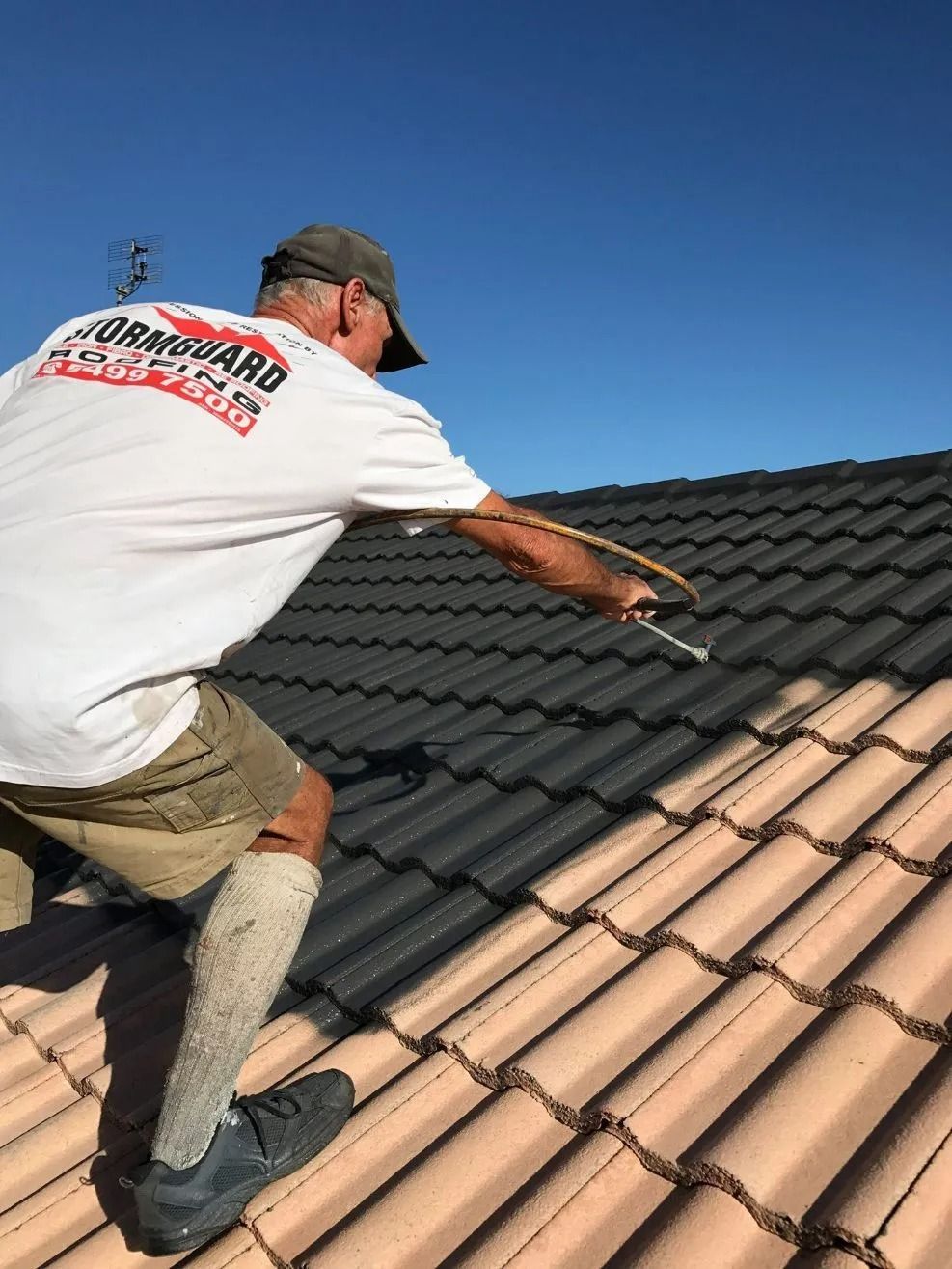
- Roof restoration: cleaning, re-bedding ridge capping, resealing valleys and applying a protective coating to an existing tiled roof — appropriate when the underlying structure is sound but the surface is weathered
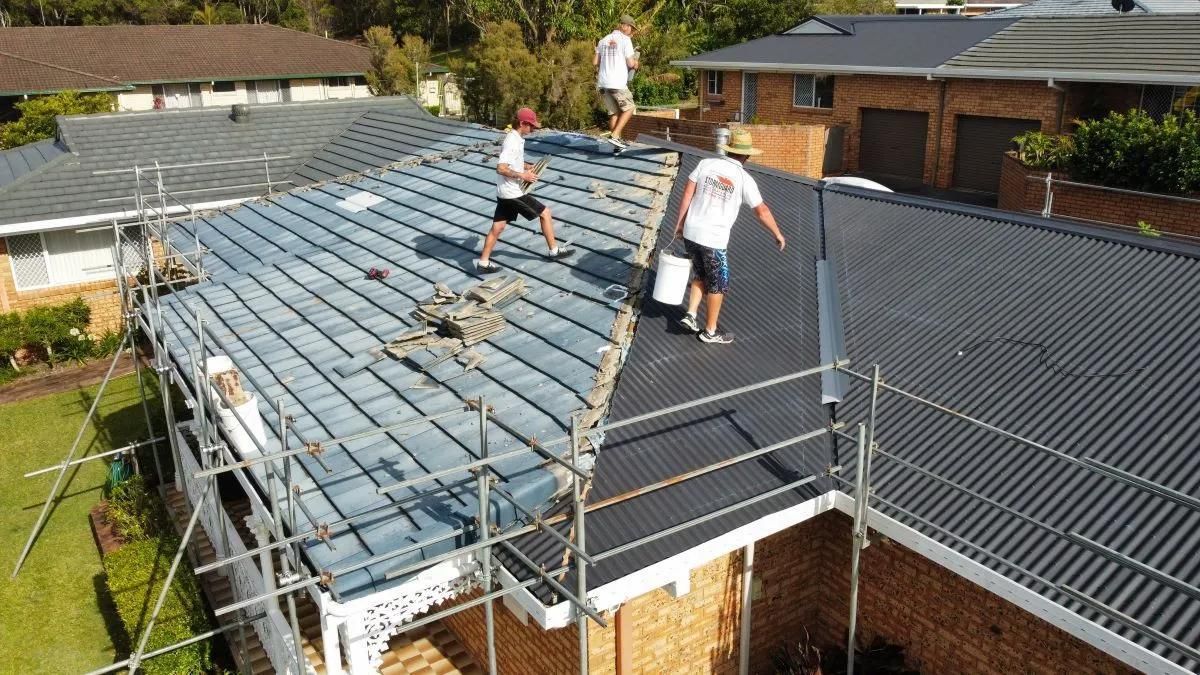
- Roof replacement: full removal of existing material and installation of new material on the existing frame
- New roof installation: full roofing of a new structure as part of a construction or extension project
- Commercial re-roofing: replacement of roofing on commercial, industrial or strata properties
Stormguard's own tradespeople — rather than subcontractors — carry out all of these services across residential, commercial and strata properties on the Sunshine Coast.
New Roof Installation: When Do You Need One?
A new roof installation is required when building a new home, completing an addition that extends the roofline, or replacing an existing roof that has reached the point where repair or restoration is no longer viable.
On an existing building, the decision to install a new roof is usually driven by material that has deteriorated beyond repair, frame damage requiring a full structural replacement, or a deliberate decision to upgrade — changing from tiles to Colorbond, for example, to reduce weight on the frame or change the building's appearance.
A professional inspection is the starting point for any decision about whether repair, restoration or replacement is the right call.
Roof Replacement Vs Roof Restoration Vs Roof Repairs
Repairs are appropriate when the roof is in generally good condition but has a specific fault — storm damage to a section of Colorbond, a cracked tile, or a flashing joint that is allowing water ingress.
Restoration suits a tiled roof that is weathered with deteriorating ridge mortar or valley sealant, but whose tile and structure are fundamentally sound. A good restoration extends the roof's life at a lower cost than full replacement, provided the work includes all three stages: repointing, valley resealing and coating.
Replacement is the right answer when the material is too deteriorated for restoration, when the roof is leaking through multiple points, or when tiles are cracking or Colorbond is corroding through. Continuing to repair and restore a roof that has passed its serviceable life costs more in the long run than replacing it.
Why Sunshine Coast Roofs Need Special Care
The Sunshine Coast's climate creates a roofing environment that differs from inland areas in ways that matter for both material selection and maintenance frequency.
Salt air corrosion affects properties within a few kilometres of the coast. Standard Colorbond has accelerated corrosion rates in marine environments — Colorbond Ultra is the appropriate specification here, not an optional upgrade. If you live close to the water, a coastal grade roof replacement using Colorbond Ultra or stainless steel fixings directly addresses the salt air issue.
UV exposure is high year-round. Restoration coatings and painted surfaces degrade faster under sustained UV than in cooler climates, and products that perform well in southern states may have shorter effective lifespans here.
Storm season from November through March brings heavy rainfall, strong winds and occasional hail. Marginal flashings, lifting ridge caps and minor Colorbond damage become serious problems in these events — and most emergency roofing calls after storms involve issues that could have been identified during a routine inspection beforehand.
Choosing The Right Roofing Materials For The Local Climate
The two dominant roofing materials on the Sunshine Coast are Colorbond steel and concrete or terracotta tiles.
Colorbond steel is low maintenance, lightweight and suits new builds, replacement work and commercial applications. In coastal conditions, Colorbond Ultra is the correct specification.
Concrete and terracotta tiles suit traditional Queensland residential architecture and provide good thermal mass. They are heavier than metal roofing and require more maintenance over time, particularly around ridge capping and valley sealant.
For more detail on which material suits your home and location, our guide on
choosing the right roofing materials for Sunshine Coast homes covers the decision in depth. A new roof also works best alongside properly designed drainage — it is worth pairing your project with the right
gutter solutions for your property.
Insurance And Storm Damage Roofing Work
If your roof has been damaged by a storm, a few practical points apply. Document the damage with photographs before any temporary repairs are made. Contact your insurer to understand the claims process before engaging a contractor — most insurers require an assessment before authorising work. Use a licensed local contractor rather than out-of-area operators who follow severe weather events, as this is a consistent source of poor-quality work and disputes.
Stormguard carries out insurance-related roofing work across the Sunshine Coast and can provide the documentation insurers require as part of the assessment and quoting process.
What To Look For In A Local Roofing Contractor
When assessing a roofing contractor on the Sunshine Coast:
- Licensing: Queensland requires a current QBCC licence — verify through the QBCC register before engaging anyone
- Insurance: current public liability and workers' compensation cover is non-negotiable
- Local track record: a contractor with decades of work in the region has a verifiable reputation and is accountable to the local community
- Own tradespeople: contractors who use their own employed staff maintain more consistent quality control than those who subcontract most of their work
- Written quotes: a detailed written scope before work begins is standard for any reputable operator
Whether you need a small repair or a full replacement, roofing Sunshine Coast homeowners have trusted Stormguard for over 25 years — with more than 70 per cent of work coming through referrals.
Frequently Asked Questions
Get A Free Roofing Quote
Stormguard provides free quotes for roofing work across the Sunshine Coast — from individual repairs through to full commercial re-roofing. Contact us to arrange an inspection and quote.