Coastal Corrosion: Why Sunshine Coast Roofs Fail Faster
Anyone who has lived near the coast for more than a few years will have noticed it. The garden furniture rusts quicker, the car needs washing more often and the roof starts showing its age well before the warranty period is up. There is a reason for this, and it has little to do with poor luck or bad workmanship. The combination of salt, sun and moisture that defines life on the Sunshine Coast places a unique load on roofing materials, one that inland properties simply do not face. Understanding why this happens is the first step towards protecting your home and avoiding costly surprises down the track.
Salt-Laden Air and Its Effect on Roofing Materials
Ocean air carries fine salt particles that settle on every exposed surface, including roof sheeting, flashings and fasteners. Over time, this salt accelerates oxidation in metal components, particularly where protective coatings have worn thin or where two dissimilar metals meet.
- Salt deposits attract moisture, which speeds up the corrosion process even on days without rain
- Areas within a few kilometres of the water experience faster degradation than those further inland
- Galvanised steel and older Zincalume roofing are especially vulnerable if coatings have not been maintained
- Fasteners and screw heads often corrode before the surrounding sheeting, leading to leaks at fixing points
Homes closer to the beach need more frequent checks simply because the salt exposure is constant, not seasonal.
UV Exposure in a Subtropical Climate
Queensland's UV index regularly sits among the highest in the country, and roofing materials bear the brunt of this exposure every single day. Sunlight breaks down protective coatings and causes some materials to become brittle over time.
- Colorbond and painted steel roofs can fade and chalk as the surface coating degrades
- Roof membranes and sealants dry out faster, losing their flexibility and ability to keep water out
- Tiles may experience surface erosion, reducing their protective glaze over years of exposure
- Skylights and polycarbonate sheeting often yellow or crack under sustained UV load
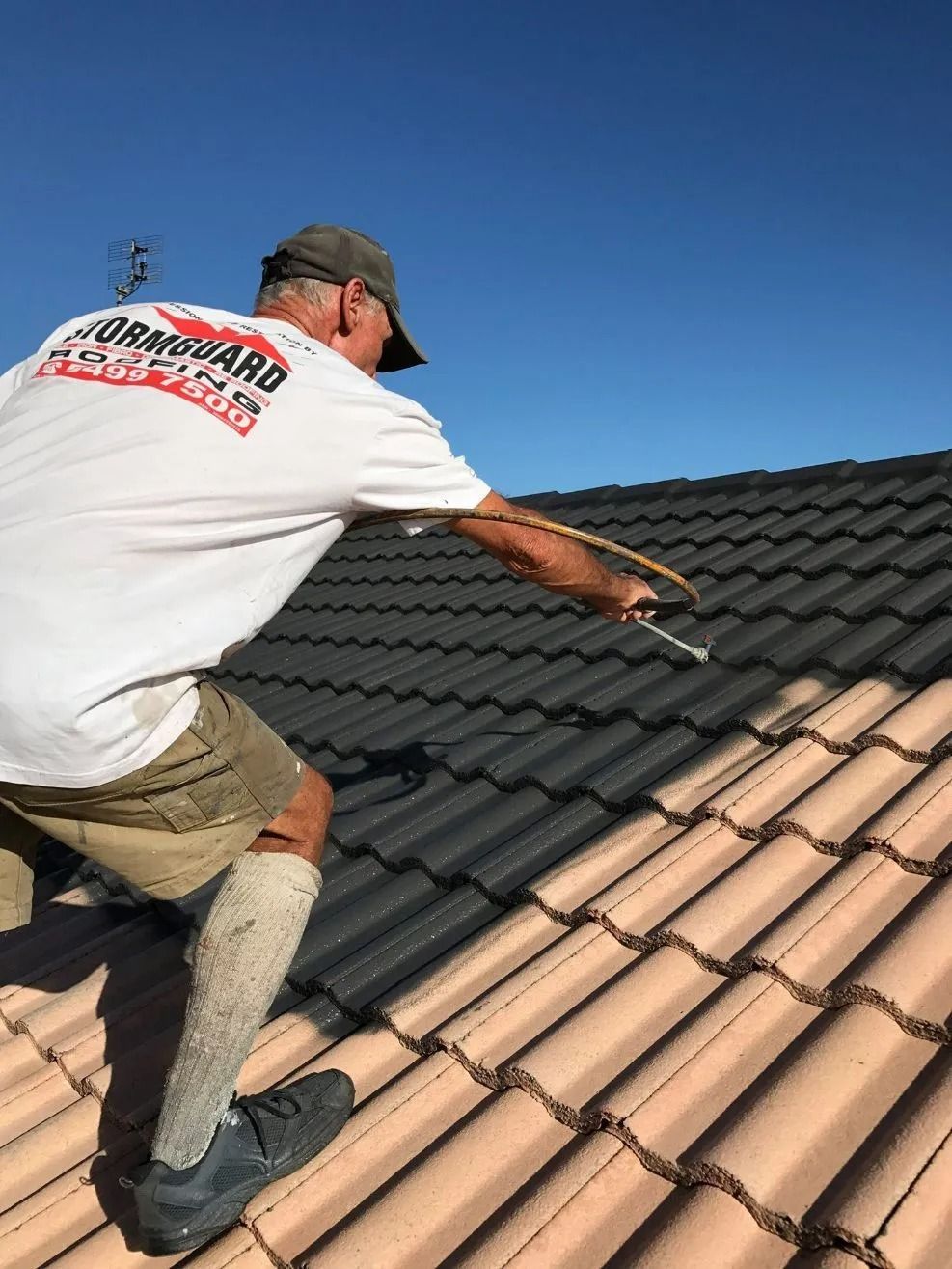
This is one reason roof coating and restoration services exist specifically to renew protective layers before deterioration becomes structural.
Humidity, Moisture and Hidden Timber Decay
The Sunshine Coast's humidity levels stay elevated for much of the year, and this moisture finds its way into roof cavities more easily than most homeowners realise. Once trapped, it creates conditions for rot and mould that are not always visible from the ground.
- Poor ventilation allows moist air to linger in the roof space, encouraging timber decay
- Battens and rafters exposed to repeated damp cycles can weaken structurally over time
- Condensation forms on the underside of metal roofing when temperature differences are significant
- Mould growth in ceiling cavities is often a sign of long-term moisture retention rather than a single leak
Roof ventilation upgrades and timber repairs are common remedies where this kind of damage has already taken hold.
Storm Season and Wind-Driven Rain
Summer storms on the Sunshine Coast are not just about rainfall volume. Wind-driven rain forces water into gaps, laps and flashings that would otherwise stay dry during a calm downpour.
- High winds can lift roof sheeting at the edges, particularly where fixings have already loosened due to corrosion
- Flashing around chimneys, vents and skylights is a frequent entry point for wind-blown water
- Hail events, while less common, can dent metal roofing and crack tiles, compromising their weatherproofing
- Gutters overwhelmed by storm intensity often overflow, sending water back under the roofline
Storm damage repairs and emergency roof callouts tend to spike after these weather events, which is why a pre-season check is worth arranging.
Common Warning Signs of Coastal Roof Deterioration
Roof damage rarely announces itself with a dramatic leak on day one. It usually builds quietly, and knowing what to look for can save a homeowner from a much larger repair bill later.
- Rust streaks running down external walls from roof fixings or valleys
- Sagging or discoloured patches on ceilings, particularly after heavy rain
- Loose or lifted roof sheeting visible from the ground or a neighbouring vantage point
- A musty smell in upper rooms, which can indicate trapped moisture in the roof cavity
- Flaking paint or chalky residue on Colorbond surfaces, suggesting coating breakdown
Picking up on these signs early usually means the difference between a minor repair and a full roof replacement.
Choosing Roofing Materials Built for the Coast
Not all roofing products perform equally in a coastal environment, and material selection matters more here than in most parts of the country. Manufacturers now produce specific ranges designed to cope with higher salt exposure.
- Marine-grade Colorbond and similar coated steel products offer better corrosion resistance for properties near the water
- Stainless steel fasteners reduce the risk of premature fixing failure compared with standard galvanised screws
- Concrete and terracotta tiles can be a suitable alternative where metal corrosion is a recurring concern
- Correct flashing materials, matched to the roofing type, reduce the risk of galvanic corrosion between dissimilar metals
Advice on material selection is a core part of any roof replacement quote, and it is worth discussing options suited to your specific distance from the coastline.
The Role of Regular Roof Inspections
A roof that looks fine from the driveway can still be hiding problems that only become obvious once damage has spread. Scheduled inspections catch issues while they are still manageable and inexpensive to fix.
- Annual inspections are recommended for coastal properties, rather than the standard two to three year interval suggested inland
- Inspections should cover flashings, valleys, ridge capping, fasteners and the condition of protective coatings
- Roof cavity checks help identify ventilation issues or early signs of timber decay before they progress
- Post-storm inspections are worthwhile even if no obvious damage is visible from ground level
A thorough inspection report gives homeowners a clear picture of what maintenance is needed and what can wait.
Maintenance Practices That Extend Roof Lifespan
Consistent, modest maintenance does more for a coastal roof's longevity than any single major repair. Small, regular actions reduce the compounding effect of salt, sun and moisture over the years.
- Rinsing roof surfaces periodically helps remove salt build-up before it accelerates corrosion
- Clearing gutters and downpipes prevents water pooling that can seep back under roofing sheets
- Resealing and recoating exposed metal surfaces on a regular cycle protects against UV and salt damage
- Trimming overhanging branches reduces debris build-up and moisture retention on roof surfaces
- Replacing corroded fasteners promptly stops small leaks from becoming larger structural issues
These practices are straightforward, but they require consistency, which is where a scheduled maintenance plan tends to work better than reactive, one-off attention.
Don't Wait for the Next Downpour
We at Stormguard Roofing understand how quickly the coastal climate can wear down a roof that has not had regular attention, and we see the effects of salt, sun and storm activity on properties across the Sunshine Coast every week. If you have noticed any of the warning signs mentioned above, or it has simply been a while since your roof was last checked, we would encourage you to get in touch for an inspection. A short conversation now could save you from a much larger repair bill once the next storm season arrives. Contact us to arrange a time that suits, and we will help you get a clear picture of where your roof stands.